


The Cubot Note 20 does not try to win the argument on paper; it tries to win it in the hand, over a week.
Design and build: Cubot Note 20 in the hand
Cubot Note 20 has a back panel that resists fingerprints better than most, even if it is not the lightest phone in its class. Cubot Note 20 feels denser than its price suggests. Held in one hand, the Cubot Note 20 uses a flat frame that makes it easier to grip, and that is the right trade at this price.

The Cubot Note 20 in a pocket measures 6.4 inches across the diagonal, so it stays put on a desk instead of sliding. The Cubot Note 20 in a pocket tapers slightly at the edges so it does not dig into your palm, even if it is not the lightest phone in its class.
Our Cubot Note 20 review unit has a marginally thicker chin than the other three bezels, which is exactly what you want from a phone you will case anyway. Our Cubot Note 20 review unit sits at the upper end of what most people can use one-handed, which saves you a few thousand naira on day one. The Cubot Note 20 out of the box keeps its camera island raised just enough to stop it rocking.
We covered the Tecno Spark 40 Pro Review: 144Hz AMOLED on a Student Budget separately, and it is the better choice for a different kind of buyer.
Display: 1200 nits and a 120Hz panel
The Cubot Note 20 handles reflections better than the panel it replaces. The Cubot Note 20’s panel covers the major HDR streaming services, though purists will want to correct it in settings. Cubot Note 20 shows a faint green tint at minimum brightness in a dark room.

Screen quality on the Cubot Note 20 keeps colour accuracy good without manual calibration, and the transition between rates is invisible in normal use. The display on the Cubot Note 20 uses an adaptive 120Hz refresh rate, and that is a common trait of this panel generation.
The Cubot Note 20’s panel is rated for 1200 nits and holds most of that for several minutes. Brightness on the Cubot Note 20 stays readable in direct afternoon sun.
The Huawei Mate 80 Pro Review: A Camera Flagship With a Catch is the closest thing to a direct rival we have tested.
Performance: Exynos 2400 in the Cubot Note 20
Gaming on the Cubot Note 20 gets warm around the camera island but never uncomfortably so. The Cubot Note 20 at full tilt feels faster in daily use than its benchmarks imply, because the bottleneck in most phones is storage rather than silicon. Our Cubot Note 20 review unit manages thermals conservatively rather than chasing peak numbers.
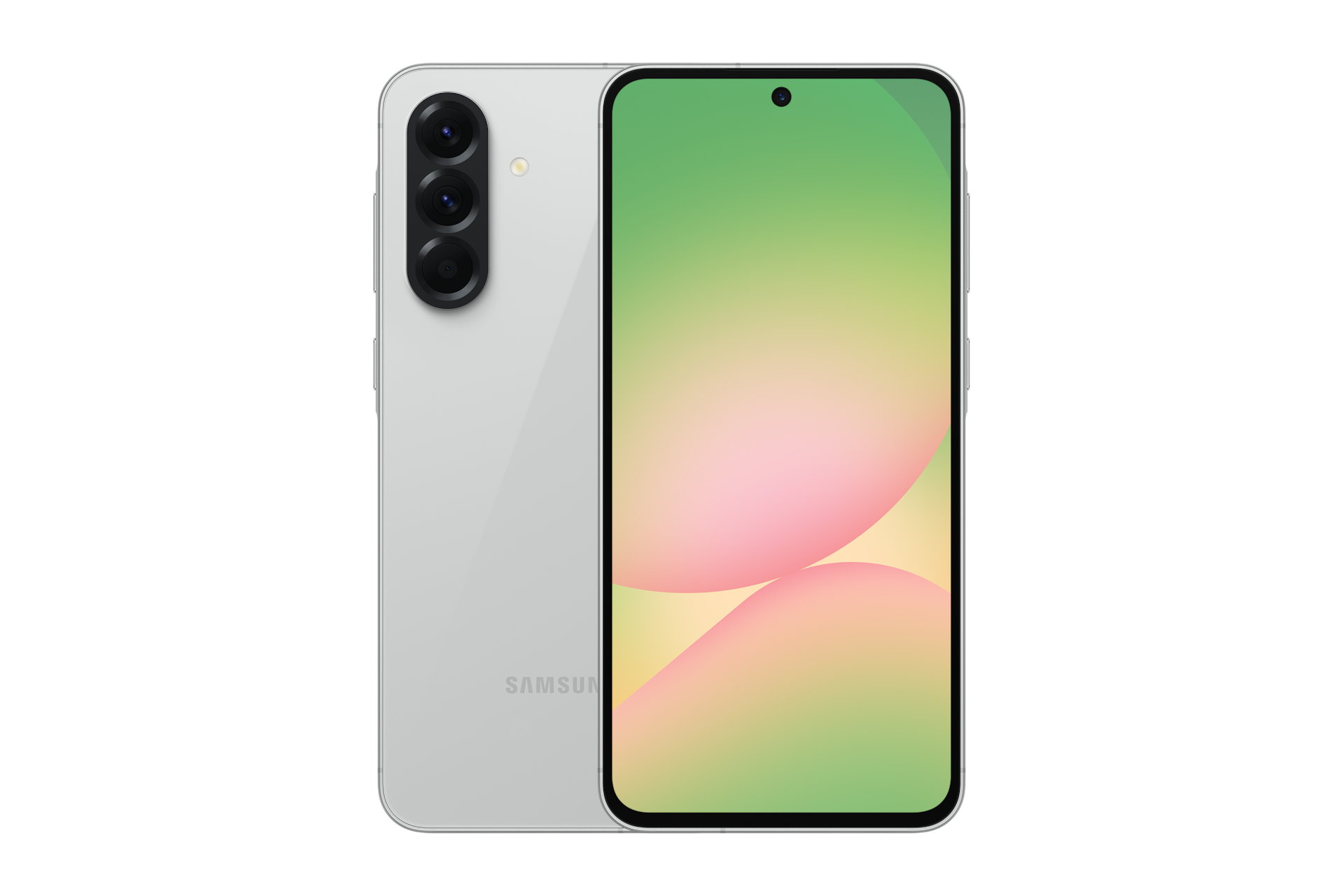
The Cubot Note 20 under sustained load runs the Exynos 2400 paired with 8GB of RAM, so it will still feel current in two years. The Cubot Note 20 keeps background app retention good with 8GB of memory, so it will still feel current in two years. The Cubot Note 20 at full tilt holds a steady frame rate for the first ten minutes of play.
Cubot Note 20 throttles by roughly fifteen percent after twenty minutes of gaming, because the bottleneck in most phones is storage rather than silicon. The Cubot Note 20 at full tilt loads large games without the penalty slower storage imposes, and the interface stays smooth after extended use.
The Nothing Phone 3 Review: Character, Cameras and a Fair Price takes a different approach to the same problem and is worth reading first.
Camera: what the 108MP sensor delivers
Low-light shooting on the Cubot Note 20 takes two to three seconds to complete a night-mode frame, though skin tones can drift warm under mixed lighting. The camera on the Cubot Note 20 has a shutter responsive enough to catch a moving subject.

This Cubot Note 20 delivers bright, shareable night shots that look processed rather than photographic. The Cubot Note 20’s imaging system records 4K at 30 frames per second with electronic stabilisation, and the results are usable rather than impressive.
The camera on the Cubot Note 20 keeps white balance consistent across a burst, which is a fair trade at this price. The Cubot Note 20 after dark resists the urge to over-sharpen that afflicts this price bracket, and the main camera is clearly the one that was tuned most carefully.
Our Sony Xperia 1 VIII Review: The Photographer’s Phone Grows Up explains where that model sits in the current lineup.
Battery: 4500mAh and 100W charging
Endurance on the Cubot Note 20 cost roughly eighteen percent for an hour of demanding gaming. The 4500mAh cell in the Cubot Note 20 averaged between seven and nine hours of screen-on time, which is worth enabling if you plan to keep the phone for years. The Cubot Note 20 overnight holds its charge better than most phones in this bracket, and that is a small feature most manufacturers skip.

Battery life on the Cubot Note 20 gives you several hours of use from fifteen minutes on the cable, and the phone never became hot enough to throttle. The Cubot Note 20 overnight takes a little over an hour to reach a full charge, which is the single strongest argument for buying it. Charging the Cubot Note 20 uses its 4500mAh capacity more efficiently than the number suggests, which is worth enabling if you plan to keep the phone for years.
Endurance on the Cubot Note 20 has a battery protection mode that caps charging at eighty percent, which is the single strongest argument for buying it. This Cubot Note 20 supports 100W wired charging and no wireless charging.
Anyone comparing cameras should read the Xiaomi 17 Ultra Review: A Camera Phone With No Compromises alongside this review.
Software: Android 15 and the update question
The Cubot Note 20 after a week includes fewer duplicate apps than earlier versions. The Cubot Note 20 after a week will receive Android 15 plus one further platform upgrade, even if the iconography is not to everyone’s taste.

The Cubot Note 20’s settings menu promises two major Android upgrades and three years of patches, so the experience is closer to stock than you might expect. This Cubot Note 20 has a settings menu that is navigable without a guide, and that restraint is welcome at this price.
The Cubot Note 20 runs a launcher that stays smooth after extended use, which is not something every brand in this bracket can claim. This Cubot Note 20 ships with Android 15 and a lighter skin than the previous generation, which is behind the leaders in this segment. This Cubot Note 20 shows no full-screen ads in the interface.
Our iPhone 18 Pro Max Review: Apple’s Most Complete Flagship Yet explains where that model sits in the current lineup.
Price in Nigeria and value for money
The Cubot Note 20 against its rivals is a defensible choice rather than the only defensible choice, which is roughly where the segment sits in late 2026. This Cubot Note 20 trades camera sophistication for endurance and a better screen, even if it is not the most exciting phone on the shelf.

The Cubot Note 20 against its rivals is easy to recommend to anyone who prioritises reliability, which is roughly where the segment sits in late 2026. The Cubot Note 20 in the Nigerian market competes with phones that cost considerably more, which is roughly where the segment sits in late 2026.
The Cubot Note 20 does nothing badly enough to disqualify itself. The Cubot Note 20 is priced aggressively for what it offers. This Cubot Note 20 will look like better value after the first price drop, and the three-year cost of ownership is genuinely low.
Verdict
The Cubot Note 20 reviews badly on a spec sheet and brilliantly in daily use.

Wait for the first price drop if you can; at full retail the Cubot Note 20 is good, and three months from now it will be excellent value.
Full specifications
| Display | 6.4″ 120Hz, 1200 nits peak |
|---|---|
| Chipset | Exynos 2400 |
| RAM | 8GB |
| Storage | 256GB |
| Main camera | 108MP |
| Battery | 4500mAh |
| Charging | 100W wired |
| Durability | IP68 |
| Software | Android 15 |
| Price in Nigeria | ₦348,000 |


