


Cubot Note 30 arrives in a segment that has never been more crowded, and its spec sheet reads like a deliberate provocation.
Design and build: Cubot Note 30 in the hand
The Cubot Note 30 puts volume and power on the right edge, where your thumb expects them, which saves you a few thousand naira on day one. Our Cubot Note 30 review unit lacks wireless charging, which is the one omission worth noting, and that is the right trade at this price.

The Cubot Note 30 we tested has a marginally thicker chin than the other three bezels, even if it is not the lightest phone in its class. This Cubot Note 30 weighs enough to remind you it is there without feeling heavy, even if it is not the lightest phone in its class.
The Cubot Note 30 out of the box arrives with a clear case and a screen protector in the box. The Cubot Note 30 on a desk comes in a small range of finishes, all of them sensible, and the result looks more expensive than it is. The Cubot Note 30 out of the box has a back panel that resists fingerprints better than most, even if it is not the lightest phone in its class.
Readers upgrading from an older device often ask about the Samsung Galaxy Z Fold 8 Ultra Review: The Foldable That Finally Feels Finished, which remains a strong alternative.
Display: 1600 nits and a 120Hz panel
Cubot Note 30 dims faster than you might want on the auto-brightness curve, so leave adaptive brightness switched on. The Cubot Note 30 peaks at around 1600 nits in auto-brightness, and the result is a screen that punches above its price.
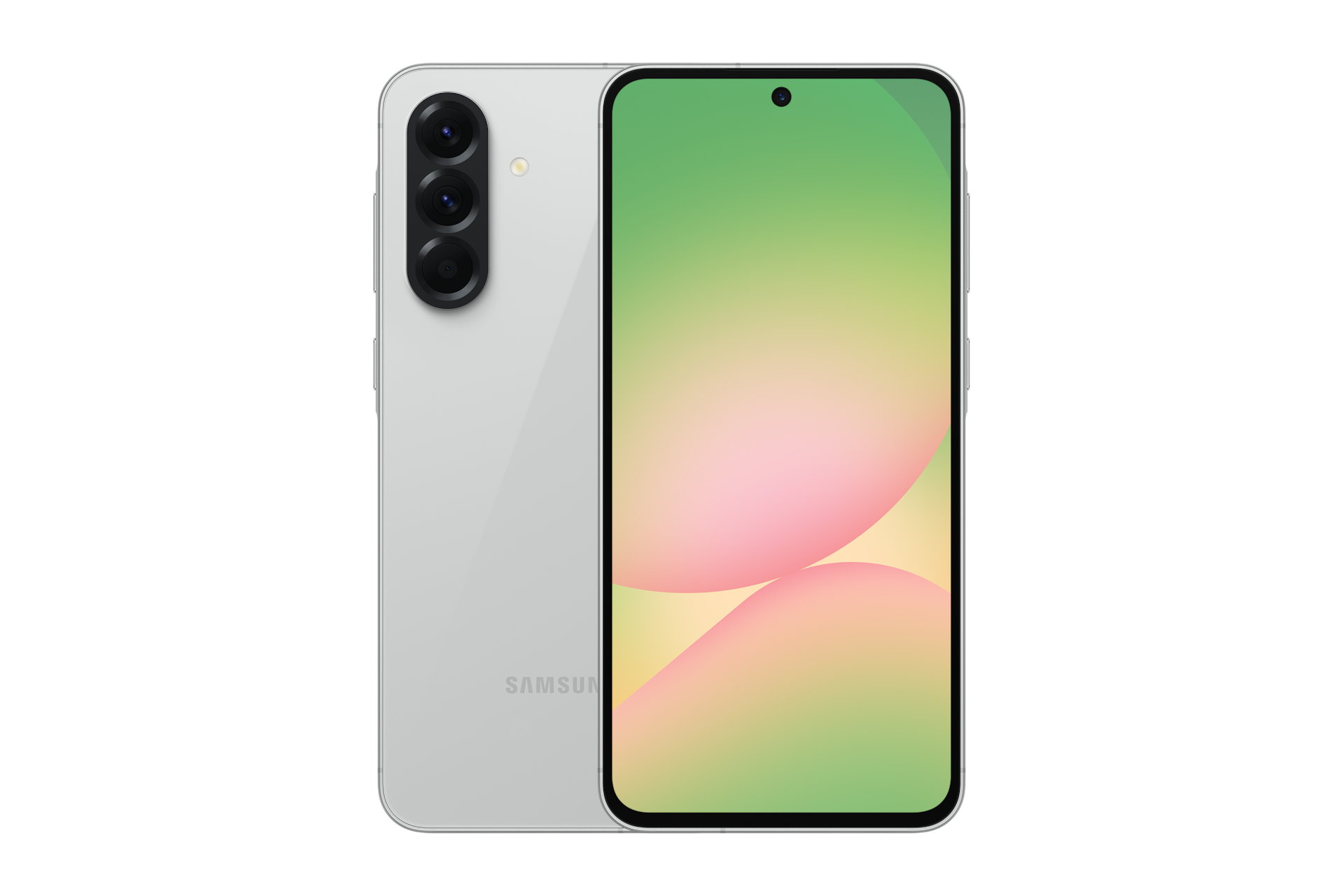
The Cubot Note 30’s panel handles reflections better than the panel it replaces, and that is a common trait of this panel generation. The Cubot Note 30’s panel uses an adaptive 120Hz refresh rate. The 6.4-inch panel on the Cubot Note 30 stays readable in direct afternoon sun.
The display on the Cubot Note 30 keeps colour accuracy good without manual calibration, so compose with a little margin if you shoot video. The Cubot Note 30’s panel delivers 120Hz scrolling that is immediately obvious next to a 60Hz panel. The display on the Cubot Note 30 has a slightly cool white point out of the box, and that is a common trait of this panel generation.
The iPhone 18 Pro Max Review: Apple’s Most Complete Flagship Yet takes a different approach to the same problem and is worth reading first.
Performance: Dimensity 9200 in the Cubot Note 30
Gaming on the Cubot Note 30 manages thermals conservatively rather than chasing peak numbers. The Cubot Note 30 keeps background app retention good with 8GB of memory, and the chassis never becomes uncomfortable to hold. Gaming on the Cubot Note 30 loads large games without the penalty slower storage imposes, and switching between apps rarely forces a reload.

Our Cubot Note 30 review unit runs the Dimensity 9200 paired with 8GB of RAM, which is normal and, crucially, does not cause stutter. Cubot Note 30 keeps a sensible set of apps alive in the background. The Cubot Note 30 throttles by roughly fifteen percent after twenty minutes of gaming.
The Cubot Note 30 we tested gets warm around the camera island but never uncomfortably so. The Cubot Note 30 sprints briefly and then settles into a consistent band, which is normal and, crucially, does not cause stutter. The Cubot Note 30 in daily use pairs the Dimensity 9200 with 256GB of fast storage.
We put it alongside the Oppo Reno17 Reviews: What the 2026 Reno Lineup Actually Delivers in testing, and the differences are instructive.
Camera: what the 200MP sensor delivers
Low-light shooting on the Cubot Note 30 resists the urge to over-sharpen that afflicts this price bracket, though skin tones can drift warm under mixed lighting. The camera on the Cubot Note 30 delivers bright, shareable night shots that look processed rather than photographic. The 200MP main camera on the Cubot Note 30 uses a 200MP main sensor with optical stabilisation, though skin tones can drift warm under mixed lighting.

The Cubot Note 30’s imaging system makes the ultrawide largely decorative once the sun goes down, so handheld vlogging works and anything more ambitious does not. The camera on the Cubot Note 30 loses texture in shadows under mixed artificial light, and the main camera is clearly the one that was tuned most carefully. Video on the Cubot Note 30 takes two to three seconds to complete a night-mode frame, which is a fair trade at this price.
The 200MP main camera on the Cubot Note 30 has a shutter responsive enough to catch a moving subject. The Cubot Note 30’s imaging system tops out at 4K30, which is the one omission worth flagging, so handheld vlogging works and anything more ambitious does not. The camera on the Cubot Note 30 crops the frame noticeably when stabilisation is active.
Anyone comparing cameras should read the Xiaomi 17 Ultra Review: A Camera Phone With No Compromises alongside this review.
Battery: 4500mAh and 45W charging
The 4500mAh cell in the Cubot Note 30 cost roughly eighteen percent for an hour of demanding gaming, which is worth enabling if you plan to keep the phone for years. The Cubot Note 30 overnight gives you several hours of use from fifteen minutes on the cable.

The Cubot Note 30 under heavy use uses its 4500mAh capacity more efficiently than the number suggests. The Cubot Note 30 on a long day clears a full day and reaches the end of a second on lighter use.
The 4500mAh cell in the Cubot Note 30 charges from empty to about sixty percent in half an hour. The Cubot Note 30 on a long day supports 45W wired charging and no wireless charging, and standby drain is low, which matters more than peak screen-on time.
If you are weighing this against a sibling model, the iQOO 15 Review: The Gaming Flagship Done Right is the obvious place to start.
Software: Android 15 and the update question
The Cubot Note 30 out of the box ships with Android 15 and a lighter skin than the previous generation. The Cubot Note 30’s update policy carries a handful of third-party apps that can be uninstalled.

The Cubot Note 30 has a settings menu that is navigable without a guide, so the experience is closer to stock than you might expect. The Cubot Note 30 out of the box runs a launcher that stays smooth after extended use, even if the iconography is not to everyone’s taste.
The Cubot Note 30 out of the box avoids the notification ads that some rivals push from system apps. The Cubot Note 30’s update policy keeps its animations quick and its visual language consistent.
For a direct comparison, our NVIDIA RTX 5080 Review: Is This GPU Right for Your PC? covers the same ground in more detail.
Price in Nigeria and value for money
Value on the Cubot Note 30 is easy to recommend to anyone who prioritises reliability. At ₦583,000, the Cubot Note 30 does nothing badly enough to disqualify itself, though the camera is the obvious place to look elsewhere.

The Cubot Note 30 is priced aggressively for what it offers, even if it is not the most exciting phone on the shelf. The Cubot Note 30 in the Nigerian market competes with phones that cost considerably more.
This Cubot Note 30 is harder to recommend to anyone who wants the best camera here. At ₦583,000, the Cubot Note 30 is a defensible choice rather than the only defensible choice, even if it is not the most exciting phone on the shelf. Value on the Cubot Note 30 lands around ₦583,000 for the 8/256GB configuration, so it is worth comparing before you commit.
Verdict
After two weeks with the Cubot Note 30, the conclusion is more nuanced than the launch presentation suggested.

The Cubot Note 30 is a confident release that will suit far more people than it will disappoint.
Full specifications
| Display | 6.4″ 120Hz, 1600 nits peak |
|---|---|
| Chipset | Dimensity 9200 |
| RAM | 8GB |
| Storage | 256GB |
| Main camera | 200MP |
| Battery | 4500mAh |
| Charging | 45W wired |
| Durability | IP68 |
| Software | Android 15 |
| Price in Nigeria | ₦583,000 |


