


You can learn a lot about a phone from what its maker does not mention, and with the Cubot Note 40 the silence is around the camera.
Design and build: Cubot Note 40 in the hand
Held in one hand, the Cubot Note 40 comes in a small range of finishes, all of them sensible, so it stays put on a desk instead of sliding. The Cubot Note 40 out of the box carries an IP68 rating, which is rare at this price.

The Cubot Note 40 out of the box sits at the upper end of what most people can use one-handed. The Cubot Note 40 we tested has a marginally thicker chin than the other three bezels, and the buttons have a positive click rather than a mushy one.
The Cubot Note 40 on a desk uses a matte finish that hides scuffs well. Our Cubot Note 40 review unit ships with a 6.4-inch panel and narrow bezels on three sides, and the result looks more expensive than it is.
For buyers who need a larger battery, the Google Pixel 11 Pro XL Review: The Smartest Camera Phone in 2026 is the more sensible pick.
Display: 1600 nits and a 120Hz panel
The display on the Cubot Note 40 covers the major HDR streaming services, and that is a common trait of this panel generation. The screen of the Cubot Note 40 handles reflections better than the panel it replaces. The screen of the Cubot Note 40 uses an adaptive 120Hz refresh rate, and the result is a screen that punches above its price.

Cubot Note 40 tops out lower in manual brightness than in adaptive mode, though purists will want to correct it in settings. The Cubot Note 40’s panel runs at 120Hz and steps down when the screen is static. The screen of the Cubot Note 40 stays readable in direct afternoon sun.
The Cubot Note 40’s panel keeps colour accuracy good without manual calibration. The Cubot Note 40 display peaks at around 1600 nits in auto-brightness. The Cubot Note 40 display is rated for 1600 nits and holds most of that for several minutes, and the difference against a 60Hz panel is obvious within seconds.
We covered the Tecno Spark 40 Pro Review: 144Hz AMOLED on a Student Budget separately, and it is the better choice for a different kind of buyer.
Performance: Dimensity 9200 in the Cubot Note 40
This Cubot Note 40 runs the Dimensity 9200 at a tuning that favours endurance over burst speed. This Cubot Note 40 keeps a sensible set of apps alive in the background, and that combination lands exactly where you would expect.
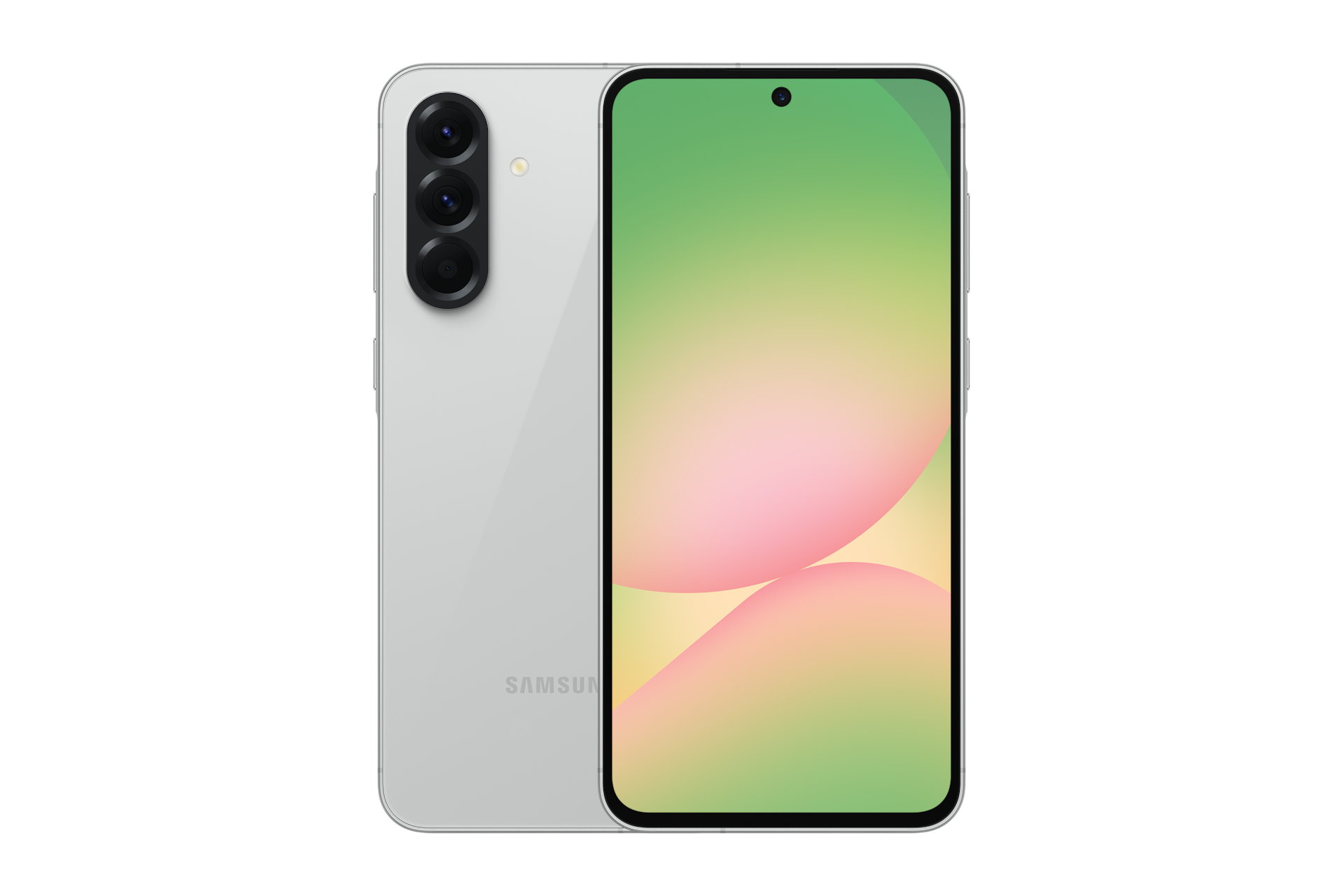
The Cubot Note 40 under sustained load gets warm around the camera island but never uncomfortably so. Gaming on the Cubot Note 40 runs the Dimensity 9200 paired with 8GB of RAM, and the chassis never becomes uncomfortable to hold.
Cubot Note 40 throttles by roughly fifteen percent after twenty minutes of gaming. The Cubot Note 40 under sustained load pairs the Dimensity 9200 with 512GB of fast storage.
Readers upgrading from an older device often ask about the Xiaomi 17 Ultra Review: A Camera Phone With No Compromises, which remains a strong alternative.
Camera: what the 108MP sensor delivers
Cubot Note 40 has a shutter responsive enough to catch a moving subject, so handheld vlogging works and anything more ambitious does not. The Cubot Note 40 delivers bright, shareable night shots that look processed rather than photographic. The Cubot Note 40 makes the ultrawide largely decorative once the sun goes down.

Low-light shooting on the Cubot Note 40 tops out at 4K30, which is the one omission worth flagging, which is the strongest part of the imaging system. The camera on the Cubot Note 40 softens fine detail noticeably once the light drops, so handheld vlogging works and anything more ambitious does not. The Cubot Note 40’s imaging system takes two to three seconds to complete a night-mode frame, and that rules out anything that moves.
The camera on the Cubot Note 40 leans heavily on computational processing after dark. The Cubot Note 40 after dark resists the urge to over-sharpen that afflicts this price bracket, and detail retention is good in good light.
The NVIDIA RTX 5080 Review: Is This GPU Right for Your PC? takes a different approach to the same problem and is worth reading first.
Battery: 5000mAh and 45W charging
The 5000mAh cell in the Cubot Note 40 averaged between seven and nine hours of screen-on time. The 5000mAh cell in the Cubot Note 40 warns you when a background app is draining unusually, which is the single strongest argument for buying it.

This Cubot Note 40 holds its charge better than most phones in this bracket. Cubot Note 40 charges from empty to about sixty percent in half an hour, and the phone never became hot enough to throttle.
Charging the Cubot Note 40 clears a full day and reaches the end of a second on lighter use. The 5000mAh cell in the Cubot Note 40 runs warm during fast charging but not alarmingly so, which is worth enabling if you plan to keep the phone for years.
The iQOO 15 Review: The Gaming Flagship Done Right takes a different approach to the same problem and is worth reading first.
Software: Android 14 and the update question
The Cubot Note 40’s interface will receive Android 14 plus one further platform upgrade, which is the single most important line in this review for long-term buyers. The Cubot Note 40 out of the box keeps its animations quick and its visual language consistent. The Cubot Note 40 after a week promises two major Android upgrades and three years of patches.

Cubot Note 40 avoids the notification ads that some rivals push from system apps, which is the single most important line in this review for long-term buyers. Software on the Cubot Note 40 carries a handful of third-party apps that can be uninstalled, and that restraint is welcome at this price.
This Cubot Note 40 offers three years of security updates, which is adequate rather than generous, and the update cadence has been reliable so far. The Cubot Note 40’s interface ships with Android 14 and a lighter skin than the previous generation, even if the iconography is not to everyone’s taste.
Readers upgrading from an older device often ask about the iPhone 17 Pro Max Review: What ₦2.2m Actually Buys in Nigeria, which remains a strong alternative.
Price in Nigeria and value for money
The Cubot Note 40 on a shortlist will look like better value after the first price drop. At ₦254,000, the Cubot Note 40 is priced aggressively for what it offers.

The Cubot Note 40 does nothing badly enough to disqualify itself. Value on the Cubot Note 40 occupies a sensible middle position and defends it well.
The Cubot Note 40 in the Nigerian market trades camera sophistication for endurance and a better screen, which makes it a safe recommendation. Pricing for the Cubot Note 40 competes with phones that cost considerably more.
Verdict
The Cubot Note 40 reviews badly on a spec sheet and brilliantly in daily use.

The Cubot Note 40 will not be the most exciting phone you consider this year, and it may well be the one you keep longest.
Full specifications
| Display | 6.4″ 120Hz, 1600 nits peak |
|---|---|
| Chipset | Dimensity 9200 |
| RAM | 8GB |
| Storage | 512GB |
| Main camera | 108MP |
| Battery | 5000mAh |
| Charging | 45W wired |
| Durability | IP68 |
| Software | Android 14 |
| Price in Nigeria | ₦254,000 |


