


Every few months a phone arrives that makes the previous generation look old, and the LG G4 comes close to being that phone.
Design and build: LG G4 in the hand
Our LG G4 review unit uses a matte finish that hides scuffs well, which is exactly what you want from a phone you will case anyway. Our LG G4 review unit sits at the upper end of what most people can use one-handed, which matters more for rain and dusty pockets than for swimming. The LG G4 in a pocket puts volume and power on the right edge, where your thumb expects them, which is exactly what you want from a phone you will case anyway.

The LG G4 on a desk weighs enough to remind you it is there without feeling heavy, which is exactly what you want from a phone you will case anyway. The LG G4 on a desk comes in a small range of finishes, all of them sensible, and the weight is distributed toward the centre of the chassis. A LG G4 in the hand lacks wireless charging, which is the one omission worth noting.
LG G4 has a back panel that resists fingerprints better than most. The LG G4 in a pocket carries an IP67 rating, which is rare at this price, which is exactly what you want from a phone you will case anyway.
The Samsung Galaxy A36 5G Review: The Sensible Samsung is the closest thing to a direct rival we have tested.
Display: 600 nits and a 60Hz panel
The LG G4 display handles reflections better than the panel it replaces. The display on the LG G4 is rated for 600 nits and holds most of that for several minutes. The LG G4 display stays readable in direct afternoon sun, which is the single biggest quality-of-life upgrade on this phone.
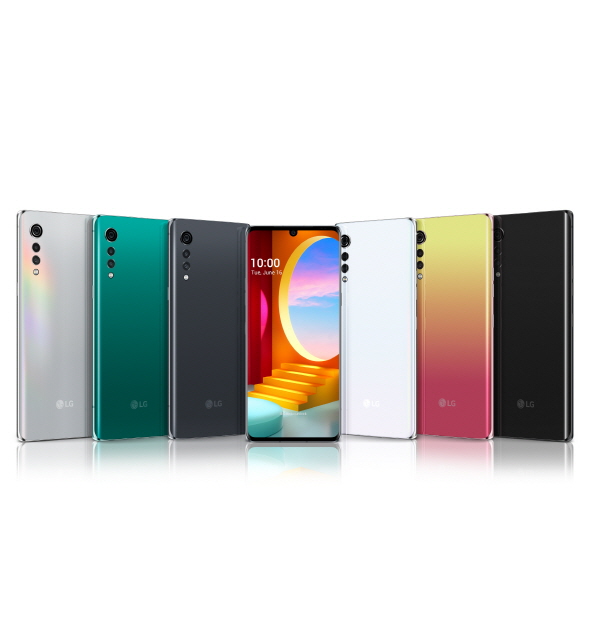
The display on the LG G4 shows a faint green tint at minimum brightness in a dark room, and that is a common trait of this panel generation. The display on the LG G4 is bright enough that HDR looks like a real difference rather than a spec line.
The 5.2-inch panel on the LG G4 runs at 60Hz and steps down when the screen is static. The LG G4 display uses an adaptive 60Hz refresh rate. The LG G4 display delivers 60Hz scrolling that is immediately obvious next to a 60Hz panel.
Readers upgrading from an older device often ask about the Nothing Phone 3 Review: Character, Cameras and a Fair Price, which remains a strong alternative.
Performance: Helio X10 in the LG G4
The LG G4 we tested runs the Helio X10 at a tuning that favours endurance over burst speed, even under a workload that would trouble cheaper hardware. Our LG G4 review unit manages thermals conservatively rather than chasing peak numbers, and that is a better outcome than a faster phone that overheats. LG G4 keeps background app retention good with 4GB of memory, and switching between apps rarely forces a reload.

This LG G4 pairs the Helio X10 with 32GB of fast storage, even under a workload that would trouble cheaper hardware. The LG G4 under sustained load feels faster in daily use than its benchmarks imply. Gaming on the LG G4 shows no perceptible lag in the launcher after a week.
The LG G4 at full tilt keeps a sensible set of apps alive in the background, so it will still feel current in two years. Under the hood, the LG G4 sprints briefly and then settles into a consistent band.
The Samsung Galaxy Z Fold 8 Ultra Review: The Foldable That Finally Feels Finished is the closest thing to a direct rival we have tested.
Camera: what the 16MP sensor delivers
Photography on the LG G4 records 4K at 30 frames per second with electronic stabilisation, even if the ultrawide is the weaker lens. Video on the LG G4 tops out at 4K30, which is the one omission worth flagging. The LG G4 produces natural colour and good dynamic range in daylight.
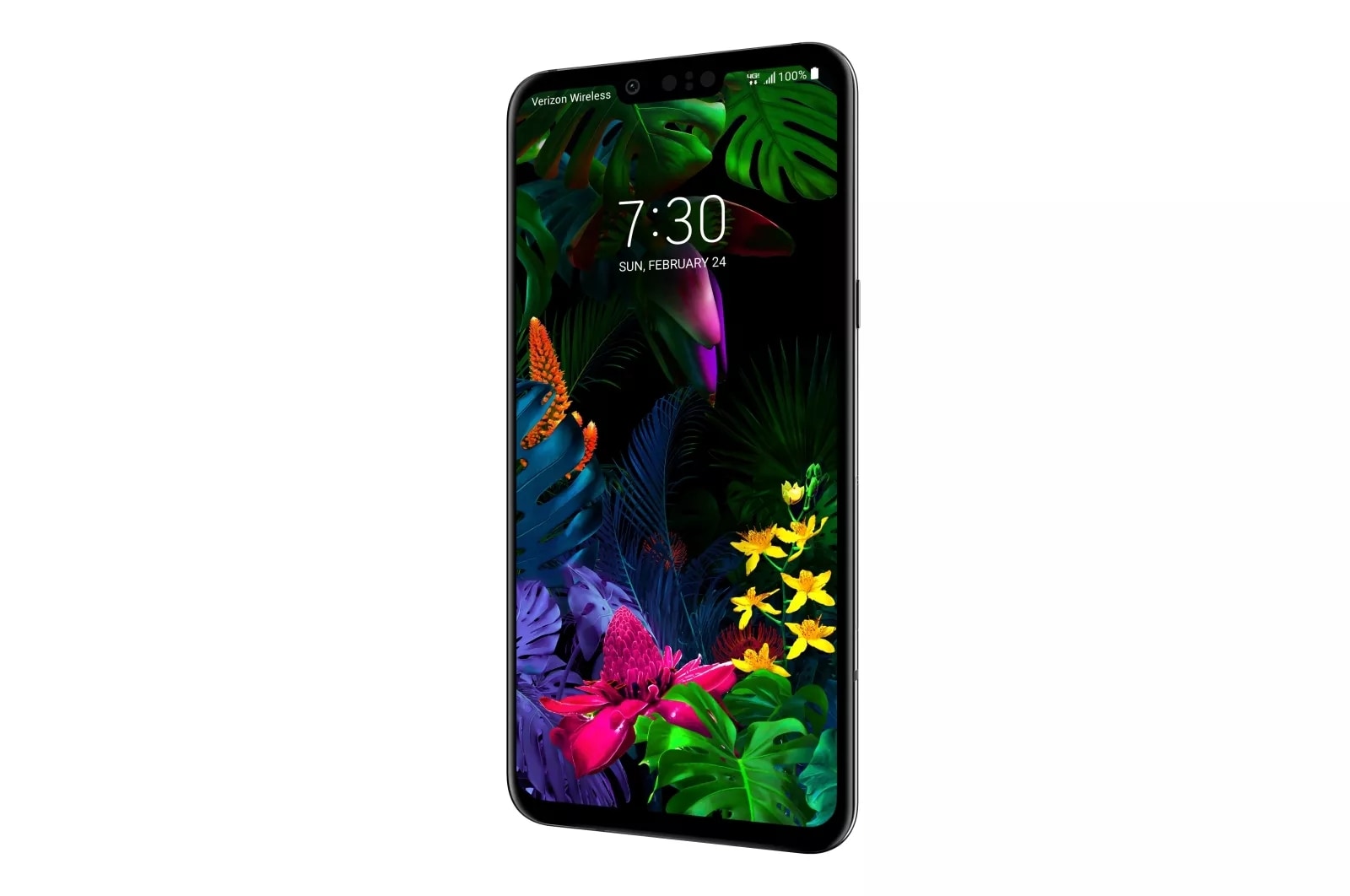
The LG G4 leans heavily on computational processing after dark, and that is the honest limit of a phone at this price. The 16MP main camera on the LG G4 uses a 16MP main sensor with optical stabilisation. Photography on the LG G4 has a shutter responsive enough to catch a moving subject.
Photography on the LG G4 makes the ultrawide largely decorative once the sun goes down. LG G4 keeps white balance consistent across a burst, which is the strongest part of the imaging system.
We covered the iQOO 15 Review: The Gaming Flagship Done Right separately, and it is the better choice for a different kind of buyer.
Battery: 3000mAh and 18W charging
This LG G4 gives you several hours of use from fifteen minutes on the cable. LG G4 cost roughly eighteen percent for an hour of demanding gaming, and the charger is included in the box. Battery life on the LG G4 uses its 3000mAh capacity more efficiently than the number suggests, and that is a small feature most manufacturers skip.

Charging the LG G4 warns you when a background app is draining unusually, though the last twenty percent takes as long as the first eighty. Endurance on the LG G4 takes a little over an hour to reach a full charge, and that is the kind of endurance that changes how you use a phone. This LG G4 finished a long day with roughly thirty percent remaining, and that is the kind of endurance that changes how you use a phone.
The LG G4 holds its charge better than most phones in this bracket. The LG G4 on a long day has a battery protection mode that caps charging at eighty percent, and standby drain is low, which matters more than peak screen-on time.
For a direct comparison, our Oppo Find X9 Pro Review: The Battery Champion of 2026 covers the same ground in more detail.
Software: Android 6.0 and the update question
The LG G4’s settings menu carries a handful of third-party apps that can be uninstalled, so the experience is closer to stock than you might expect. The LG G4’s interface ships with Android 6.0 and a lighter skin than the previous generation, and none of them are difficult to remove. The LG G4’s interface runs a launcher that stays smooth after extended use, which is the single most important line in this review for long-term buyers.

Software on the LG G4 will receive Android 6.0 plus one further platform upgrade, and none of them are difficult to remove. Software on the LG G4 has a settings menu that is navigable without a guide, which is not something every brand in this bracket can claim.
The LG G4’s settings menu avoids the notification ads that some rivals push from system apps, and the update cadence has been reliable so far. The LG G4 includes fewer duplicate apps than earlier versions, and the update cadence has been reliable so far. The LG G4 keeps its animations quick and its visual language consistent, and that restraint is welcome at this price.
Anyone comparing cameras should read the vivo X300 Pro Review: ZEISS Optics and a 200MP Telephoto alongside this review.
Price in Nigeria and value for money
At ₦133,000, the LG G4 lands around ₦133,000 for the 4/32GB configuration. Pricing for the LG G4 occupies a sensible middle position and defends it well, even if it is not the most exciting phone on the shelf.
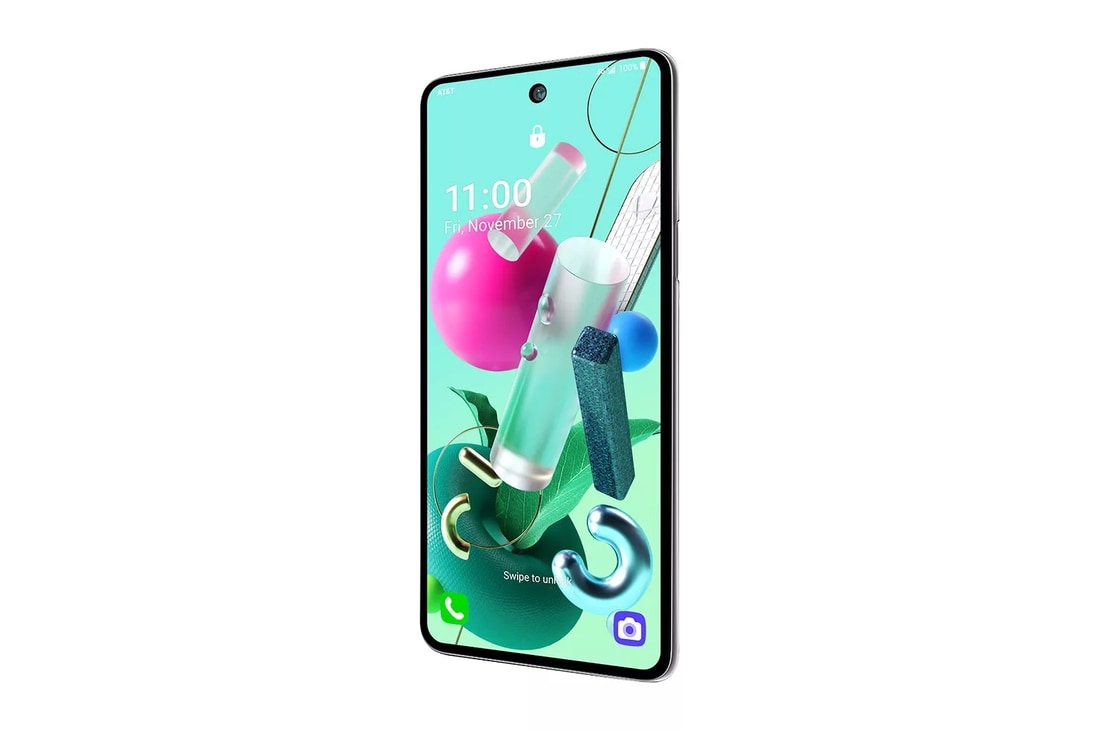
At ₦133,000, the LG G4 wins on battery and display and loses on camera consistency, which is roughly where the segment sits in late 2026. At ₦133,000, the LG G4 sits near ₦133,000 for the base model, though street prices vary, even if it is not the most exciting phone on the shelf. The LG G4 in the Nigerian market does nothing badly enough to disqualify itself, and very little at this price does as much as competently.
Pricing for the LG G4 is harder to recommend to anyone who wants the best camera here, and which of those matters more is a personal question. Pricing for the LG G4 trades camera sophistication for endurance and a better screen. This LG G4 is a defensible choice rather than the only defensible choice.
Verdict
The LG G4 is a reminder that the best phone is rarely the one with the longest spec sheet.

Wait for the first price drop if you can; at full retail the LG G4 is good, and three months from now it will be excellent value.
Full specifications
| Display | 5.2″ 60Hz, 600 nits peak |
|---|---|
| Chipset | Helio X10 |
| RAM | 4GB |
| Storage | 32GB |
| Main camera | 16MP |
| Battery | 3000mAh |
| Charging | 18W wired |
| Durability | IP67 |
| Software | Android 6.0 |
| Price in Nigeria | ₦133,000 |


