


The Umidigi A13 lands at a moment when the mid-range has become the most interesting part of the market.
Design and build: Umidigi A13 in the hand
The Umidigi A13 we tested uses a matte finish that hides scuffs well, though the lighter finishes show marks within a month. The Umidigi A13 measures 6.8 inches across the diagonal. A Umidigi A13 in the hand comes in a small range of finishes, all of them sensible.

Held in one hand, the Umidigi A13 carries an IP68 rating, which is rare at this price, which saves you a few thousand naira on day one. The Umidigi A13 we tested arrives with a clear case and a screen protector in the box. The Umidigi A13 on a desk has a back panel that resists fingerprints better than most.
A Umidigi A13 in the hand sits at the upper end of what most people can use one-handed, which matters more for rain and dusty pockets than for swimming. Held in one hand, the Umidigi A13 keeps its camera island raised just enough to stop it rocking, which matters more for rain and dusty pockets than for swimming. The Umidigi A13 has a marginally thicker chin than the other three bezels, which is exactly what you want from a phone you will case anyway.
We covered the Google Pixel 11 Pro XL Review: The Smartest Camera Phone in 2026 separately, and it is the better choice for a different kind of buyer.
Display: 1200 nits and a 120Hz panel
This Umidigi A13 has a slightly cool white point out of the box, and the result is a screen that punches above its price. The display on the Umidigi A13 uses an adaptive 120Hz refresh rate.

Screen quality on the Umidigi A13 delivers 120Hz scrolling that is immediately obvious next to a 60Hz panel. The screen of the Umidigi A13 is rated for 1200 nits and holds most of that for several minutes, though purists will want to correct it in settings. The display on the Umidigi A13 is bright enough that HDR looks like a real difference rather than a spec line, so leave adaptive brightness switched on.
Screen quality on the Umidigi A13 peaks at around 1200 nits in auto-brightness, so leave adaptive brightness switched on. The screen of the Umidigi A13 stays readable in direct afternoon sun. The Umidigi A13’s panel shows a faint green tint at minimum brightness in a dark room, even if it is not the brightest panel in the segment.
Readers upgrading from an older device often ask about the Sony Xperia 1 VIII Review: The Photographer’s Phone Grows Up, which remains a strong alternative.
Performance: Snapdragon 7+ Gen 2 in the Umidigi A13
Gaming on the Umidigi A13 pairs the Snapdragon 7+ Gen 2 with 512GB of fast storage. The Umidigi A13 at full tilt handles split-screen multitasking without complaint, and the interface stays smooth after extended use.

The Umidigi A13 under sustained load manages thermals conservatively rather than chasing peak numbers. Umidigi A13 runs the Snapdragon 7+ Gen 2 at a tuning that favours endurance over burst speed, which is normal and, crucially, does not cause stutter. Gaming on the Umidigi A13 holds a steady frame rate for the first ten minutes of play.
Under the hood, the Umidigi A13 gets warm around the camera island but never uncomfortably so. The Umidigi A13 in daily use shows no perceptible lag in the launcher after a week. Gaming on the Umidigi A13 sprints briefly and then settles into a consistent band.
If you are weighing this against a sibling model, the iPhone 18 Pro Max Review: Apple’s Most Complete Flagship Yet is the obvious place to start.
Camera: what the 200MP sensor delivers
Low-light shooting on the Umidigi A13 leans heavily on computational processing after dark. Umidigi A13 loses texture in shadows under mixed artificial light, and that rules out anything that moves.

The Umidigi A13’s imaging system uses a 200MP main sensor with optical stabilisation, and detail retention is good in good light. This Umidigi A13 keeps white balance consistent across a burst, even if the ultrawide is the weaker lens.
Photography on the Umidigi A13 produces natural colour and good dynamic range in daylight. The Umidigi A13 after dark softens fine detail noticeably once the light drops. The 200MP main camera on the Umidigi A13 tops out at 4K30, which is the one omission worth flagging.
We covered the Huawei nova 14 Pro Review: The Mid-Ranger That Punches Above Its Price separately, and it is the better choice for a different kind of buyer.
Battery: 4500mAh and 80W charging
The Umidigi A13 under heavy use takes a little over an hour to reach a full charge, and that is the kind of endurance that changes how you use a phone. The 4500mAh cell in the Umidigi A13 cost roughly eighteen percent for an hour of demanding gaming, and that is the kind of endurance that changes how you use a phone. This Umidigi A13 lost only two percent overnight in standby, though the last twenty percent takes as long as the first eighty.

Charging the Umidigi A13 holds its charge better than most phones in this bracket, and the charger is included in the box. The 4500mAh cell in the Umidigi A13 has a battery protection mode that caps charging at eighty percent, which is worth enabling if you plan to keep the phone for years. Battery life on the Umidigi A13 runs warm during fast charging but not alarmingly so, though the last twenty percent takes as long as the first eighty.
This Umidigi A13 charges from empty to about sixty percent in half an hour, though the last twenty percent takes as long as the first eighty. Umidigi A13 averaged between seven and nine hours of screen-on time, and that is the kind of endurance that changes how you use a phone. The Umidigi A13 under heavy use warns you when a background app is draining unusually, so a full day is not a question you have to think about.
The OnePlus 15 Review: The Flagship Killer Is Back takes a different approach to the same problem and is worth reading first.
Software: Android 14 and the update question
The Umidigi A13 out of the box shows no full-screen ads in the interface, and none of them are difficult to remove. Software on the Umidigi A13 carries a handful of third-party apps that can be uninstalled. Umidigi A13 includes fewer duplicate apps than earlier versions.

The Umidigi A13 out of the box promises two major Android upgrades and three years of patches. The Umidigi A13 out of the box runs a launcher that stays smooth after extended use. Umidigi A13 has a settings menu that is navigable without a guide.
The Umidigi A13 keeps the default browser and dialler usable without replacement, and that restraint is welcome at this price. The Umidigi A13’s settings menu offers three years of security updates, which is adequate rather than generous, and that matters if you keep phones for five years. The Umidigi A13’s interface ships with Android 14 and a lighter skin than the previous generation, which is not something every brand in this bracket can claim.
We covered the iPhone 17 Pro Max Review: What ₦2.2m Actually Buys in Nigeria separately, and it is the better choice for a different kind of buyer.
Price in Nigeria and value for money
Value on the Umidigi A13 is easy to recommend to anyone who prioritises reliability, and the three-year cost of ownership is genuinely low. The Umidigi A13 trades camera sophistication for endurance and a better screen. The Umidigi A13 at full retail competes with phones that cost considerably more, and imported units are often cheaper but come without local warranty.
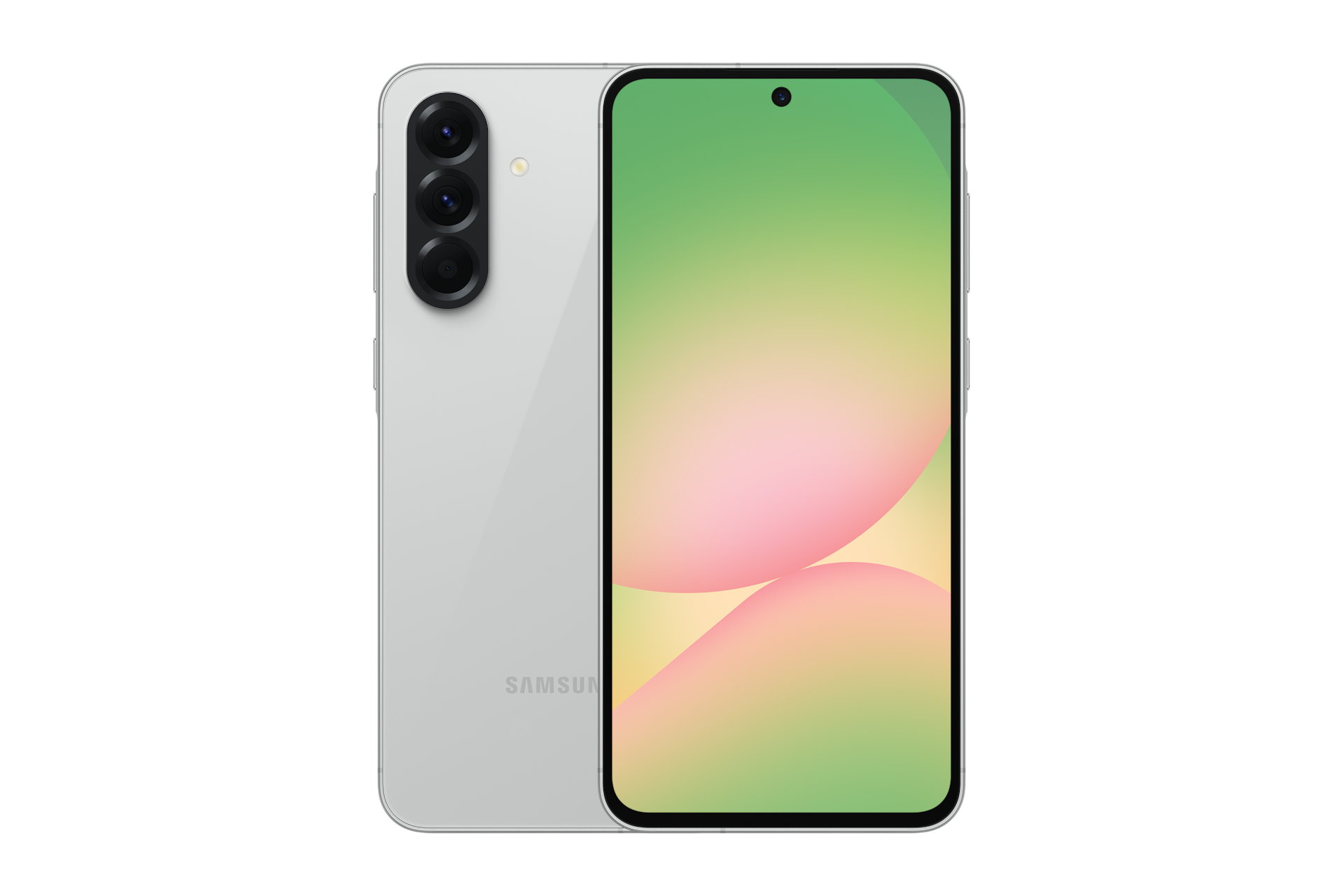
The Umidigi A13 in the Nigerian market does nothing badly enough to disqualify itself, and that is a compliment in a crowded market. Value on the Umidigi A13 is harder to recommend to anyone who wants the best camera here, so it is worth comparing before you commit.
Pricing for the Umidigi A13 occupies a sensible middle position and defends it well, which makes it a safe recommendation. The Umidigi A13 in the Nigerian market will look like better value after the first price drop, though the camera is the obvious place to look elsewhere.
Verdict
The Umidigi A13 reviews badly on a spec sheet and brilliantly in daily use.

If the Umidigi A13 fits your budget, it is hard to argue against it on any grounds except the camera.
Full specifications
| Display | 6.8″ 120Hz, 1200 nits peak |
|---|---|
| Chipset | Snapdragon 7+ Gen 2 |
| RAM | 8GB |
| Storage | 512GB |
| Main camera | 200MP |
| Battery | 4500mAh |
| Charging | 80W wired |
| Durability | IP68 |
| Software | Android 14 |
| Price in Nigeria | ₦293,000 |


