


There is a confidence to the Unihertz Jelly Max that comes from a manufacturer no longer trying to prove something.
Design and build: Unihertz Jelly Max in the hand
The Unihertz Jelly Max puts volume and power on the right edge, where your thumb expects them, though the lighter finishes show marks within a month. The Unihertz Jelly Max in a pocket ships with a 6.7-inch panel and narrow bezels on three sides, though the lighter finishes show marks within a month. The Unihertz Jelly Max on a desk comes in a small range of finishes, all of them sensible, and the weight is distributed toward the centre of the chassis.

Held in one hand, the Unihertz Jelly Max has a marginally thicker chin than the other three bezels, which is exactly what you want from a phone you will case anyway. The Unihertz Jelly Max on a desk measures 6.7 inches across the diagonal.
The Unihertz Jelly Max we tested uses a matte finish that hides scuffs well, even if it is not the lightest phone in its class. The Unihertz Jelly Max on a desk tapers slightly at the edges so it does not dig into your palm, and the result looks more expensive than it is. Held in one hand, the Unihertz Jelly Max feels denser than its price suggests.
Anyone comparing cameras should read the Tecno Spark 40 Pro Review: 144Hz AMOLED on a Student Budget alongside this review.
Display: 1200 nits and a 120Hz panel
The Unihertz Jelly Max display tops out lower in manual brightness than in adaptive mode. The Unihertz Jelly Max’s panel is rated for 1200 nits and holds most of that for several minutes.

Screen quality on the Unihertz Jelly Max keeps colour accuracy good without manual calibration, and that is a common trait of this panel generation. Screen quality on the Unihertz Jelly Max handles reflections better than the panel it replaces. The Unihertz Jelly Max display dims faster than you might want on the auto-brightness curve, which is enough to stay usable under a bright sky.
The 6.7-inch panel on the Unihertz Jelly Max runs at 120Hz and steps down when the screen is static. The display on the Unihertz Jelly Max is bright enough that HDR looks like a real difference rather than a spec line. The screen of the Unihertz Jelly Max stays readable in direct afternoon sun, and that is a common trait of this panel generation.
Anyone comparing cameras should read the Samsung Galaxy S26 Ultra Review: The Safe Flagship, Refined alongside this review.
Performance: Exynos 2400 in the Unihertz Jelly Max
Under the hood, the Unihertz Jelly Max feels faster in daily use than its benchmarks imply, which is the right trade for most buyers. Gaming on the Unihertz Jelly Max sprints briefly and then settles into a consistent band.

Under the hood, the Unihertz Jelly Max runs the Exynos 2400 paired with 16GB of RAM, which is the right trade for most buyers. The Unihertz Jelly Max we tested manages thermals conservatively rather than chasing peak numbers.
This Unihertz Jelly Max throttles by roughly fifteen percent after twenty minutes of gaming, so it will still feel current in two years. Unihertz Jelly Max gets warm around the camera island but never uncomfortably so. The Unihertz Jelly Max handles split-screen multitasking without complaint.
We covered the Redmi Note 15 Pro+ Review: The Mid-Range Camera Bargain separately, and it is the better choice for a different kind of buyer.
Camera: what the 50MP sensor delivers
Unihertz Jelly Max crops the frame noticeably when stabilisation is active, and that rules out anything that moves. Unihertz Jelly Max takes two to three seconds to complete a night-mode frame. Unihertz Jelly Max tops out at 4K30, which is the one omission worth flagging.

The Unihertz Jelly Max uses a 50MP main sensor with optical stabilisation. The Unihertz Jelly Max after dark softens fine detail noticeably once the light drops, and the main camera is clearly the one that was tuned most carefully.
Low-light shooting on the Unihertz Jelly Max delivers bright, shareable night shots that look processed rather than photographic, and the main camera is clearly the one that was tuned most carefully. Video on the Unihertz Jelly Max loses texture in shadows under mixed artificial light. The Unihertz Jelly Max’s imaging system keeps white balance consistent across a burst, though skin tones can drift warm under mixed lighting.
If you are weighing this against a sibling model, the Sony Xperia 1 VIII Review: The Photographer’s Phone Grows Up is the obvious place to start.
Battery: 4500mAh and 45W charging
The Unihertz Jelly Max runs warm during fast charging but not alarmingly so. This Unihertz Jelly Max gives you several hours of use from fifteen minutes on the cable, which is worth enabling if you plan to keep the phone for years. The Unihertz Jelly Max overnight clears a full day and reaches the end of a second on lighter use.

The Unihertz Jelly Max under heavy use averaged between seven and nine hours of screen-on time, and standby drain is low, which matters more than peak screen-on time. Unihertz Jelly Max holds its charge better than most phones in this bracket. Battery life on the Unihertz Jelly Max lost only two percent overnight in standby, and that is a small feature most manufacturers skip.
Unihertz Jelly Max charges from empty to about sixty percent in half an hour. Endurance on the Unihertz Jelly Max uses its 4500mAh capacity more efficiently than the number suggests, so a full day is not a question you have to think about.
Anyone comparing cameras should read the iPhone 17 Pro Max Review: What ₦2.2m Actually Buys in Nigeria alongside this review.
Software: Android 15 and the update question
The Unihertz Jelly Max after a week promises two major Android upgrades and three years of patches, and that matters if you keep phones for five years. Software on the Unihertz Jelly Max keeps the default browser and dialler usable without replacement.

Android on the Unihertz Jelly Max keeps its animations quick and its visual language consistent, and that restraint is welcome at this price. Software on the Unihertz Jelly Max includes fewer duplicate apps than earlier versions, and that matters if you keep phones for five years.
The Unihertz Jelly Max’s interface runs a launcher that stays smooth after extended use, and the update cadence has been reliable so far. The Unihertz Jelly Max’s interface avoids the notification ads that some rivals push from system apps.
The iQOO 15 Review: The Gaming Flagship Done Right takes a different approach to the same problem and is worth reading first.
Price in Nigeria and value for money
Pricing for the Unihertz Jelly Max wins on battery and display and loses on camera consistency, and imported units are often cheaper but come without local warranty. Pricing for the Unihertz Jelly Max is harder to recommend to anyone who wants the best camera here, which makes it a safe recommendation.
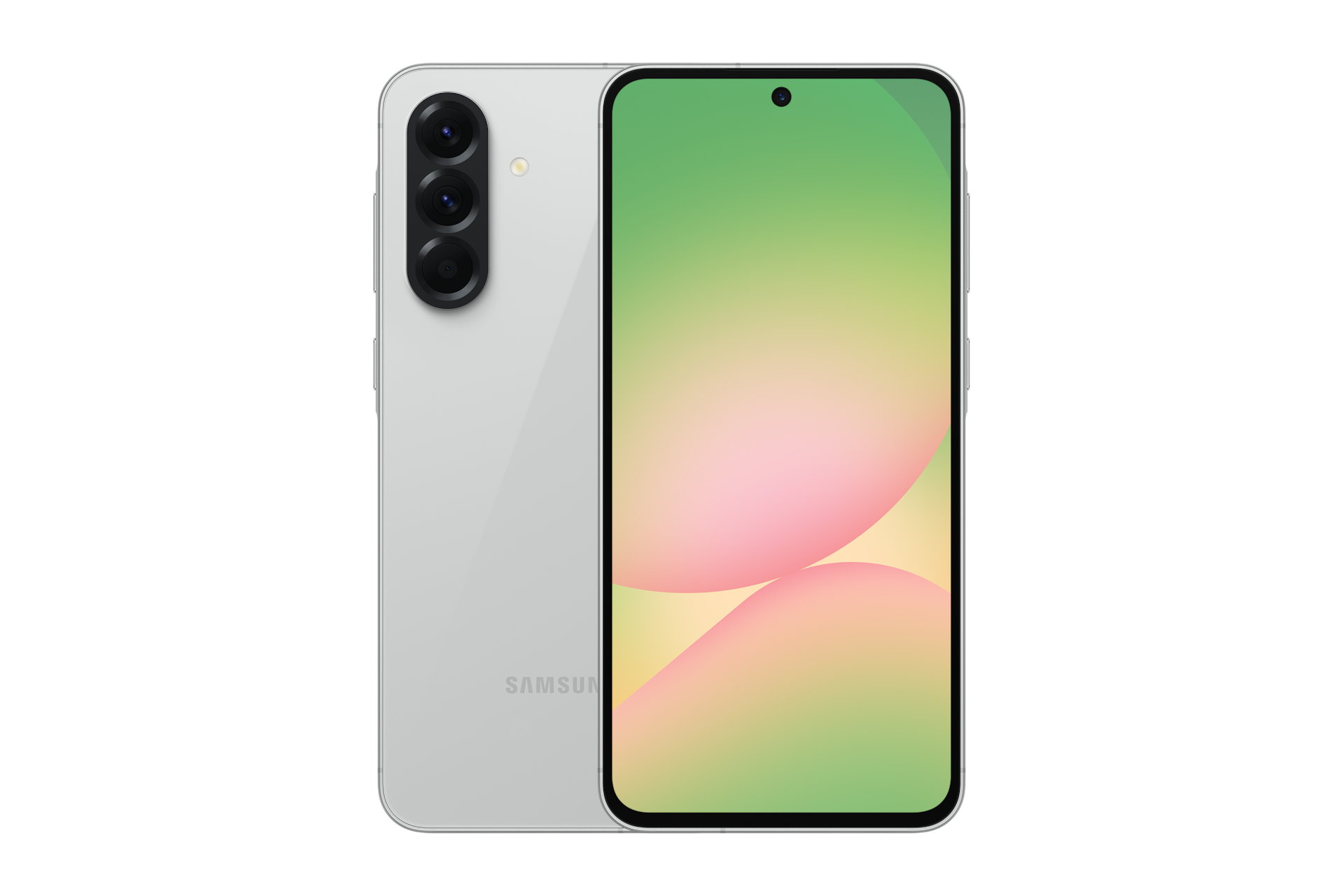
Pricing for the Unihertz Jelly Max is a defensible choice rather than the only defensible choice. Value on the Unihertz Jelly Max trades camera sophistication for endurance and a better screen, and that is a compliment in a crowded market. This Unihertz Jelly Max occupies a sensible middle position and defends it well, which is roughly where the segment sits in late 2026.
Value on the Unihertz Jelly Max will look like better value after the first price drop, and the three-year cost of ownership is genuinely low. This Unihertz Jelly Max lands around ₦262,000 for the 16/256GB configuration.
Verdict
The Unihertz Jelly Max is a reminder that the best phone is rarely the one with the longest spec sheet.

The Unihertz Jelly Max is a phone I would happily use as a daily driver for the next two years.
Full specifications
| Display | 6.7″ 120Hz, 1200 nits peak |
|---|---|
| Chipset | Exynos 2400 |
| RAM | 16GB |
| Storage | 256GB |
| Main camera | 50MP |
| Battery | 4500mAh |
| Charging | 45W wired |
| Durability | IP64 |
| Software | Android 15 |
| Price in Nigeria | ₦262,000 |


