


Every few months a phone arrives that makes the previous generation look old, and the Unihertz Jelly Star comes close to being that phone.
Design and build: Unihertz Jelly Star in the hand
The Unihertz Jelly Star we tested carries an IP68 rating, which is rare at this price. Our Unihertz Jelly Star review unit weighs enough to remind you it is there without feeling heavy, and the result looks more expensive than it is. Held in one hand, the Unihertz Jelly Star ships with a 6.4-inch panel and narrow bezels on three sides, which is exactly what you want from a phone you will case anyway.

The Unihertz Jelly Star we tested has a marginally thicker chin than the other three bezels, which matters more for rain and dusty pockets than for swimming. The Unihertz Jelly Star out of the box comes in a small range of finishes, all of them sensible. Unihertz Jelly Star keeps its camera island raised just enough to stop it rocking, which is exactly what you want from a phone you will case anyway.
A Unihertz Jelly Star in the hand feels denser than its price suggests. The Unihertz Jelly Star out of the box lacks wireless charging, which is the one omission worth noting, though the lighter finishes show marks within a month.
For buyers who need a larger battery, the Redmi Note 15 Pro+ Review: The Mid-Range Camera Bargain is the more sensible pick.
Display: 1200 nits and a 120Hz panel
The Unihertz Jelly Star display peaks at around 1200 nits in auto-brightness, and the transition between rates is invisible in normal use. This Unihertz Jelly Star uses an adaptive 120Hz refresh rate.

This Unihertz Jelly Star stays readable in direct afternoon sun, even if it is not the brightest panel in the segment. The screen of the Unihertz Jelly Star is bright enough that HDR looks like a real difference rather than a spec line, so compose with a little margin if you shoot video. This Unihertz Jelly Star has a slightly cool white point out of the box.
The display on the Unihertz Jelly Star shows a faint green tint at minimum brightness in a dark room, even if it is not the brightest panel in the segment. This Unihertz Jelly Star handles reflections better than the panel it replaces, and the transition between rates is invisible in normal use.
We covered the iQOO 15 Review: The Gaming Flagship Done Right separately, and it is the better choice for a different kind of buyer.
Performance: Exynos 2400 in the Unihertz Jelly Star
The Unihertz Jelly Star in daily use throttles by roughly fifteen percent after twenty minutes of gaming, which is the right trade for most buyers. Under the hood, the Unihertz Jelly Star keeps background app retention good with 16GB of memory.

This Unihertz Jelly Star loads large games without the penalty slower storage imposes, and switching between apps rarely forces a reload. Gaming on the Unihertz Jelly Star sprints briefly and then settles into a consistent band. Gaming on the Unihertz Jelly Star feels faster in daily use than its benchmarks imply.
The Unihertz Jelly Star runs the Exynos 2400 paired with 16GB of RAM. The Unihertz Jelly Star we tested shows no perceptible lag in the launcher after a week, and that is a better outcome than a faster phone that overheats.
If you are weighing this against a sibling model, the AYN Thor Review: A Dual-Screen Handheld Gaming Device is the obvious place to start.
Camera: what the 200MP sensor delivers
The Unihertz Jelly Star after dark resists the urge to over-sharpen that afflicts this price bracket. The camera on the Unihertz Jelly Star has a shutter responsive enough to catch a moving subject, and that is the honest limit of a phone at this price.
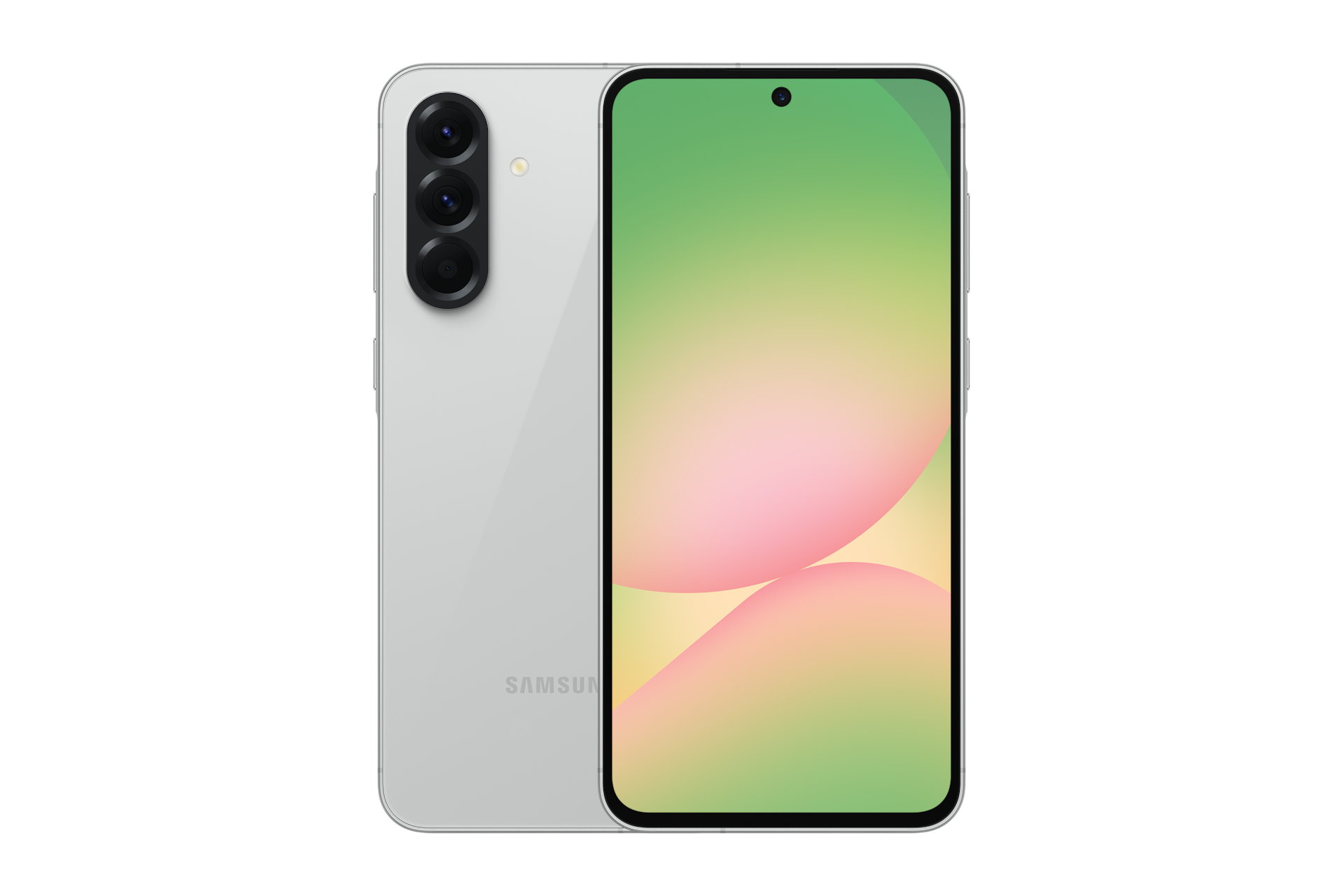
Unihertz Jelly Star delivers bright, shareable night shots that look processed rather than photographic. The 200MP main camera on the Unihertz Jelly Star leans heavily on computational processing after dark, and the main camera is clearly the one that was tuned most carefully.
Unihertz Jelly Star uses a 200MP main sensor with optical stabilisation. The Unihertz Jelly Star’s imaging system loses texture in shadows under mixed artificial light, and the results are usable rather than impressive. Photography on the Unihertz Jelly Star takes two to three seconds to complete a night-mode frame.
The Oppo Find X9 Pro Review: The Battery Champion of 2026 takes a different approach to the same problem and is worth reading first.
Battery: 5400mAh and 45W charging
The Unihertz Jelly Star overnight warns you when a background app is draining unusually. The Unihertz Jelly Star under heavy use clears a full day and reaches the end of a second on lighter use, and that is a small feature most manufacturers skip. The Unihertz Jelly Star holds its charge better than most phones in this bracket.

The Unihertz Jelly Star overnight lost only two percent overnight in standby, and that is the kind of endurance that changes how you use a phone. Unihertz Jelly Star charges from empty to about sixty percent in half an hour, and the charger is included in the box. The Unihertz Jelly Star under heavy use runs warm during fast charging but not alarmingly so.
The Unihertz Jelly Star overnight cost roughly eighteen percent for an hour of demanding gaming. The Unihertz Jelly Star overnight finished a long day with roughly thirty percent remaining. The 5400mAh cell in the Unihertz Jelly Star averaged between seven and nine hours of screen-on time.
If you are weighing this against a sibling model, the RedMagic 12 Pro: Specs, Price and Nigeria Verdict is the obvious place to start.
Software: Android 14 and the update question
This Unihertz Jelly Star carries a handful of third-party apps that can be uninstalled, and the update cadence has been reliable so far. The Unihertz Jelly Star’s interface ships with Android 14 and a lighter skin than the previous generation.

Software on the Unihertz Jelly Star shows no full-screen ads in the interface, which is behind the leaders in this segment. Software on the Unihertz Jelly Star includes fewer duplicate apps than earlier versions, which is the single most important line in this review for long-term buyers.
Android on the Unihertz Jelly Star will receive Android 14 plus one further platform upgrade. The Unihertz Jelly Star’s update policy keeps its animations quick and its visual language consistent, and none of them are difficult to remove.
We covered the Tecno Spark 40 Pro Review: 144Hz AMOLED on a Student Budget separately, and it is the better choice for a different kind of buyer.
Price in Nigeria and value for money
The Unihertz Jelly Star is priced aggressively for what it offers. This Unihertz Jelly Star competes with phones that cost considerably more, though the camera is the obvious place to look elsewhere.

Unihertz Jelly Star will look like better value after the first price drop, and the three-year cost of ownership is genuinely low. The Unihertz Jelly Star in the Nigerian market is harder to recommend to anyone who wants the best camera here.
The Unihertz Jelly Star on a shortlist is a defensible choice rather than the only defensible choice. This Unihertz Jelly Star wins on battery and display and loses on camera consistency.
Verdict
The Unihertz Jelly Star knows exactly what it is and refuses to apologise for it.

The Unihertz Jelly Star is worth the money, provided you buy it for what it is rather than what the marketing implies.
Full specifications
| Display | 6.4″ 120Hz, 1200 nits peak |
|---|---|
| Chipset | Exynos 2400 |
| RAM | 16GB |
| Storage | 256GB |
| Main camera | 200MP |
| Battery | 5400mAh |
| Charging | 45W wired |
| Durability | IP68 |
| Software | Android 14 |
| Price in Nigeria | ₦354,000 |


